
En el campo de refugiados de Kakuma, el SRPP colabora con la Comisión Nacional de Cohesión e Integración (NCIC) para reforzar la convivencia pacífica entre los refugiados y las comunidades de acogida.
A través de la investigación participativa y el diálogo estructurado, el programa contó con la participación de 435 hogares, líderes comunitarios, jóvenes, grupos de mujeres, representantes religiosos, organismos humanitarios e instituciones gubernamentales.
Este trabajo ha identificado los principales factores que generan tensiones —entre ellos, la escasez de recursos, la desinformación y las deficiencias en la coordinación— y está sirviendo de base para el desarrollo de sistemas de alerta temprana de base comunitaria y para los debates sobre políticas orientadas a la prevención.

En Argentina, el SRPP integra los principios de prevención de atrocidades en los marcos de gobernanza migratoria.
En 2025, 27 funcionarios públicos y representantes de la sociedad civil participaron en el curso «Fundamentos de la prevención de atrocidades masivas», y 24 de ellos completaron el itinerario formativo estructurado.
Los talleres nacionales reforzaron la coordinación en materia de prevención de los riesgos de la trata de personas, lo que contribuyó a la creación de una comunidad de prácticas cada vez más amplia entre las autoridades de migración, los actores judiciales y las instituciones de derechos humanos.

El SRPP refuerza la resiliencia democrática en la gestión de la migración mediante la investigación y la formación profesional.
Se analizaron más de 2 200 artículos de prensa para trazar un panorama de las narrativas sobre la migración, complementando este trabajo con misiones sobre el terreno y talleres regionales en los que participaron autoridades locales, la sociedad civil y periodistas.
Esta labor refuerza la gestión fronteriza basada en los derechos y la gobernanza migratoria centrada en la prevención.

El SRPP fomenta la colaboración entre instituciones judiciales, organismos encargados de hacer cumplir la ley, oficinas de derechos humanos y organizaciones de la sociedad civil.
A través del diálogo estructurado y la participación en las políticas, el programa promueve respuestas coordinadas y basadas en los derechos ante los retos que plantea la migración.
El SRPP promueve los sistemas de protección mediante la investigación, la formación y un diálogo político inclusivo centrado en las barreras relacionadas con la identidad jurídica.
Los cursos breves y los talleres nacionales reunieron a representantes del Gobierno, del mundo académico y de la sociedad civil, mientras que las actividades sobre el terreno reforzaron los vínculos entre las instituciones y las comunidades afectadas.

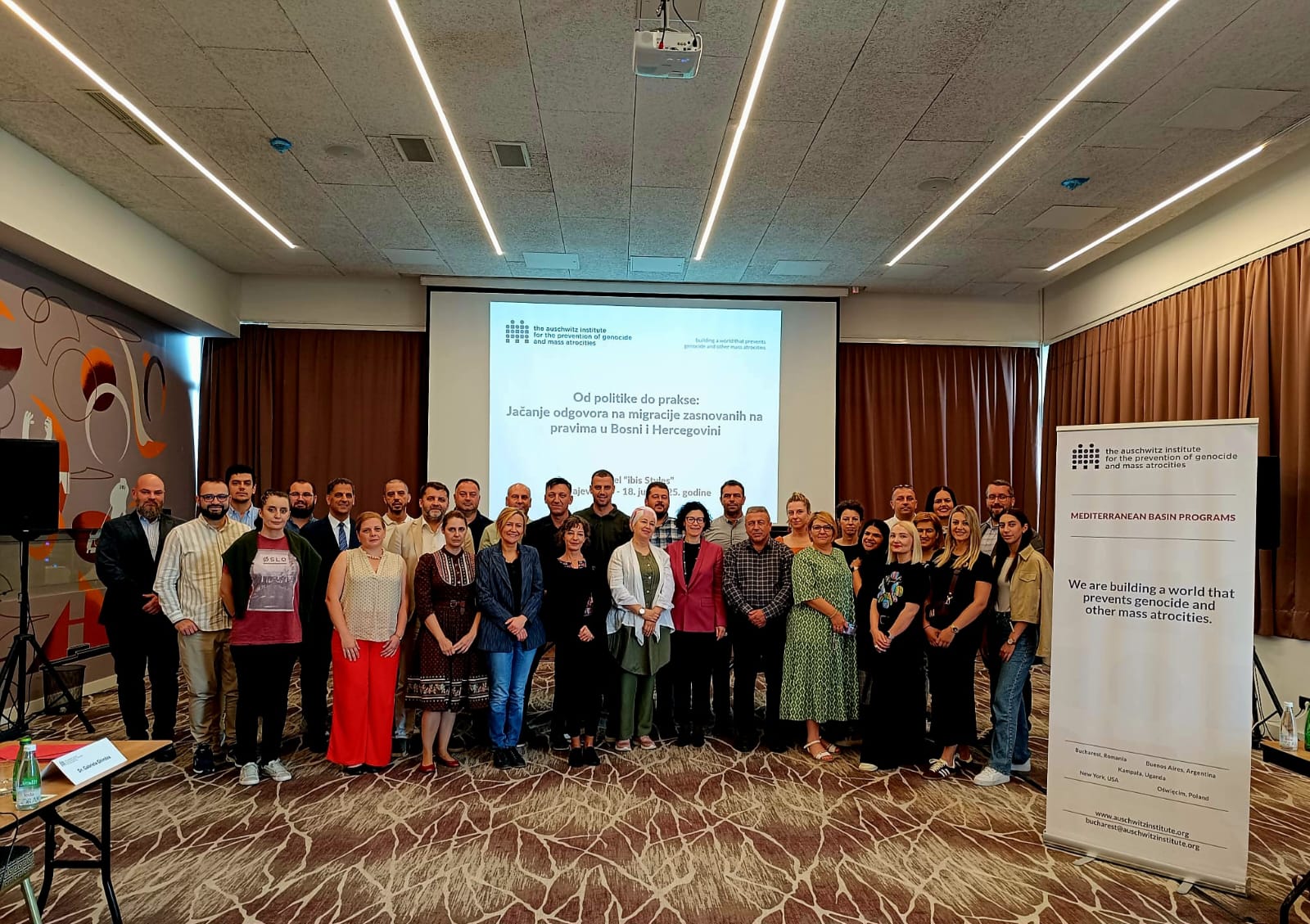
A lo largo de 2025, el SRPP llevó a cabo los trabajos preparatorios en Montenegro, entre los que se incluyen la contratación de expertos locales, la adaptación del plan de estudios en línea de 10 semanas a la plataforma BCMS y la coordinación con los socios regionales.
El lanzamiento oficial del programa, que incluye la impartición de formación en línea y un seminario presencial a nivel nacional, tendrá lugar en 2026. Esta ampliación se basa en las lecciones aprendidas en Bosnia y Herzegovina y refuerza la presencia del SRPP en los Balcanes Occidentales.
La colaboración con los socios institucionales moldavos se inició a finales de 2025, incluyendo conversaciones exploratorias con la Academia de Policía sobre una colaboración formal. En 2026, el SRPP formalizará esta colaboración mediante un memorando de entendimiento e iniciará una formación en materia de migración orientada a la prevención dentro de los planes de estudios institucionales.
Moldavia supone una expansión estratégica hacia Europa del Este, que refuerza la capacidad de las fuerzas del orden para aplicar enfoques de la gestión migratoria basados en los derechos y centrados en la prevención.
En conjunto, estas iniciativas que se pondrán en marcha en 2026 —y que se basan en los trabajos preparatorios realizados en 2025— amplían el marco multirregional del SRPP para la prevención y la protección en contextos migratorios.
Gracias a estas iniciativas, el SRPP sigue creando sistemas de protección sostenibles y basados en los derechos que abordan los riesgos de forma temprana, antes de que la exclusión y la violencia por motivos de identidad se agraven.
El SRPP está impulsando nuevas iniciativas orientadas a la prevención en todo el continente americano para hacer frente a los riesgos emergentes a lo largo de las principales rutas migratorias.
En Colombia, el SRPP está desarrollando un marco de prevención centrado en las mujeres, las niñas y las personas LGBTIQ+ migrantes y refugiadas que se enfrentan a un mayor riesgo de sufrir violencia de género, explotación y exclusión.
La iniciativa reforzará los mecanismos de alerta temprana e identificación de riesgos, mejorará la coordinación entre las autoridades migratorias y las instituciones de derechos humanos, integrará herramientas de prevención de atrocidades en programas que tengan en cuenta las cuestiones de género y desarrollará la capacidad local para prevenir la violencia por motivos de identidad antes de que se agrave.
Al vincular la prevención de la violencia de género con una reforma más amplia de la gobernanza migratoria, el SRPP pretende reforzar los sistemas de protección inclusivos y reducir las vulnerabilidades estructurales que afectan a las comunidades desplazadas.

